ayurvedic treatment for acne

ayurvedic treatment for acne, Kasarvadavali

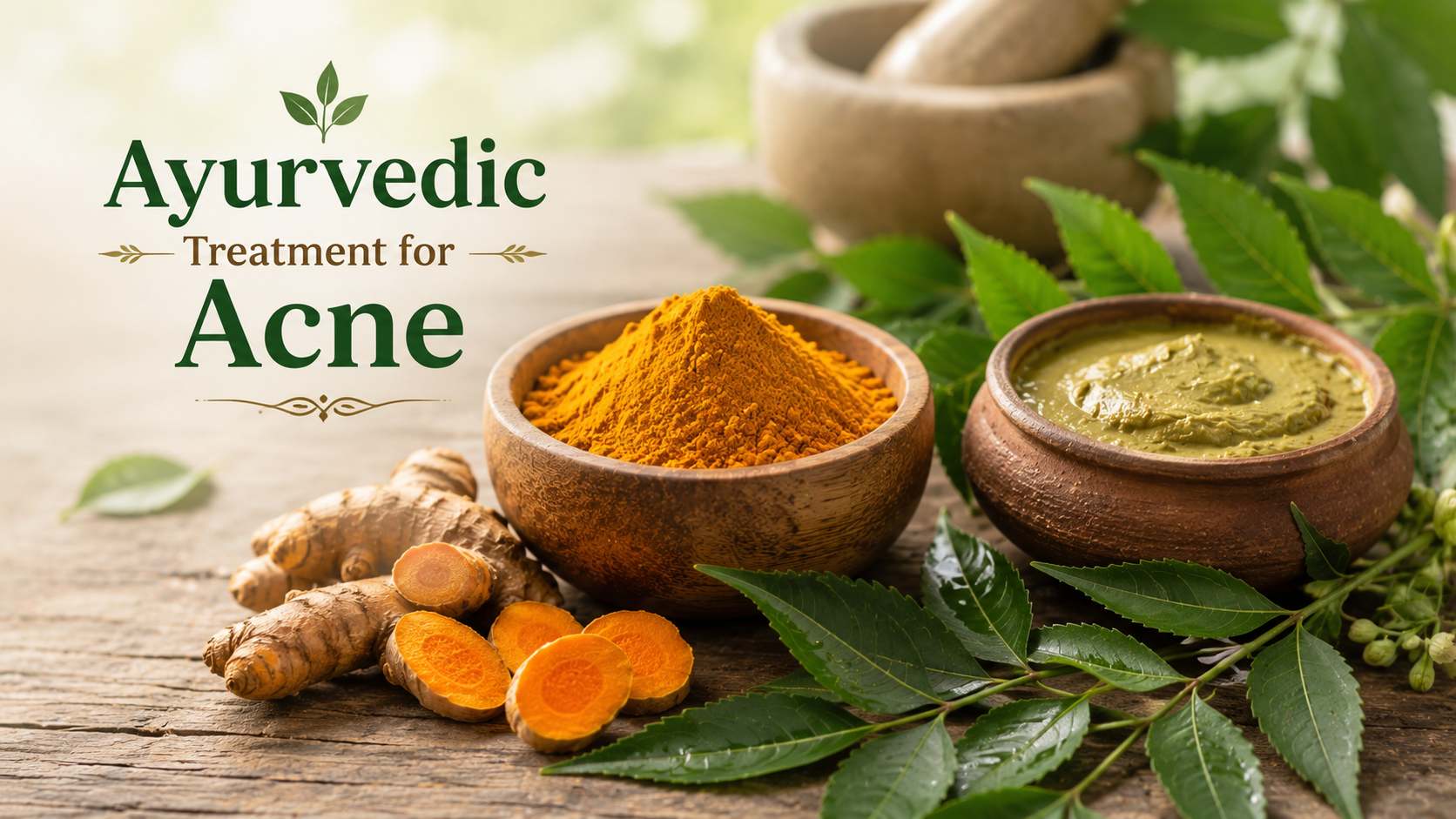
Ayurvedic Treatment for Acne: Healing Skin From the Root

Acne is one of the most common skin concerns I see at my clinic — it affects teenagers navigating hormonal changes and adults dealing with stress, poor diet, or hormonal imbalance well into their 30s and 40s. Most patients who come to me have already tried multiple topical creams, face washes, and dermatological treatments, often with only temporary results.

That’s because modern dermatology largely treats acne from the outside in — targeting the pimple itself with chemical exfoliants, antibiotics, or drying agents. In my practice, I take a different approach. Ayurvedic treatment for acne looks at why the skin is breaking out in the first place, not just how to suppress the visible symptom.
Understanding Acne Through an Ayurvedic Lens

In Ayurveda, acne — referred to as Yauvana Pidika — is understood as an imbalance primarily involving Pitta and Kapha doshas. Pitta governs heat, metabolism, and transformation in the body; when it’s aggravated, it increases inflammation, redness, and the burning, angry quality of active breakouts. Kapha, on the other hand, governs oiliness and structure; when Kapha is out of balance, it leads to excess sebum production and clogged pores.

Layered on top of this dosha imbalance is ama — a Sanskrit term for undigested toxins that accumulate in the body due to weak digestion (Agni). When ama builds up in the bloodstream, it often surfaces through the skin as inflammation, breakouts, and slow-healing blemishes. This is why I always ask new patients about their digestion, stress levels, and eating habits before I ever look at their skin — because in Ayurveda, clear skin genuinely starts in the gut.

How I Approach Acne Treatment at My Clinic

Every patient’s constitution (Prakriti) is different, so treatment is never one-size-fits-all. That said, there are a few pillars I rely on consistently:

1. Blood and Skin Purification Herbs like neem and manjistha are central to my treatment protocols. Neem’s antibacterial and blood-purifying properties help calm active inflammation and prevent new breakouts, while manjistha works internally to purify the bloodstream — addressing the deeper toxicity that drives recurring acne.

2. Reducing Pitta-Driven Inflammation Turmeric, combined with cooling agents like sandalwood, helps calm the heat and redness associated with Pitta-type acne. I often recommend this as part of a topical face pack alongside internal Pitta-pacifying dietary changes.

3. Correcting Digestion Since ama plays such a central role, I frequently prescribe Triphala to support healthy digestion and gentle detoxification. Patients are often surprised at how much their skin improves once their digestive fire is restored.

4. Panchakarma for Chronic or Hormonal Acne For patients with long-standing or hormonal acne that hasn’t responded to milder treatments, I recommend Panchakarma therapies, particularly Virechana (therapeutic purgation), performed under close clinical supervision at our center. This deep detoxification addresses the root toxin load in a way that topical treatment alone simply cannot.

Diet and Lifestyle Guidance I Give My Patients

Alongside herbal treatment, I counsel every acne patient on the following:

  1. Avoid fried, spicy, and processed foods, which aggravate Pitta and worsen breakouts
  2. Start the day with warm water and lemon to support natural detoxification
  3. Include bitter and astringent foods like bitter gourd and pomegranate, which help purify the blood
  4. Practice Pranayama and stress-reduction techniques, since stress is a well-documented acne trigger

Why Patience Matters

I’m upfront with every patient: ayurvedic treatment for acne is not an overnight fix. Unlike a chemical spot treatment that suppresses a single pimple, this approach works to rebalance the body’s internal systems — which takes time, typically several weeks to a few months, depending on the severity and chronicity of the condition. What patients gain in return is a resolution that lasts, along with healthier skin overall, rather than a cycle of breakouts returning the moment treatment stops.

If you’ve been struggling with persistent acne despite trying conventional treatments, I’d encourage you to consider addressing it from the root. At Dr. Narkhede Ayurved & Panchkarma Clinic, we assess your unique constitution, digestive health, and lifestyle to build a treatment plan suited specifically to you — not a generic protocol.

Book a consultation with Dr. Sagar Narkhede to begin your journey toward clear, healthy skin the Ayurvedic way.

Ayurvedic Treatment for Acne Kasarvadavali.

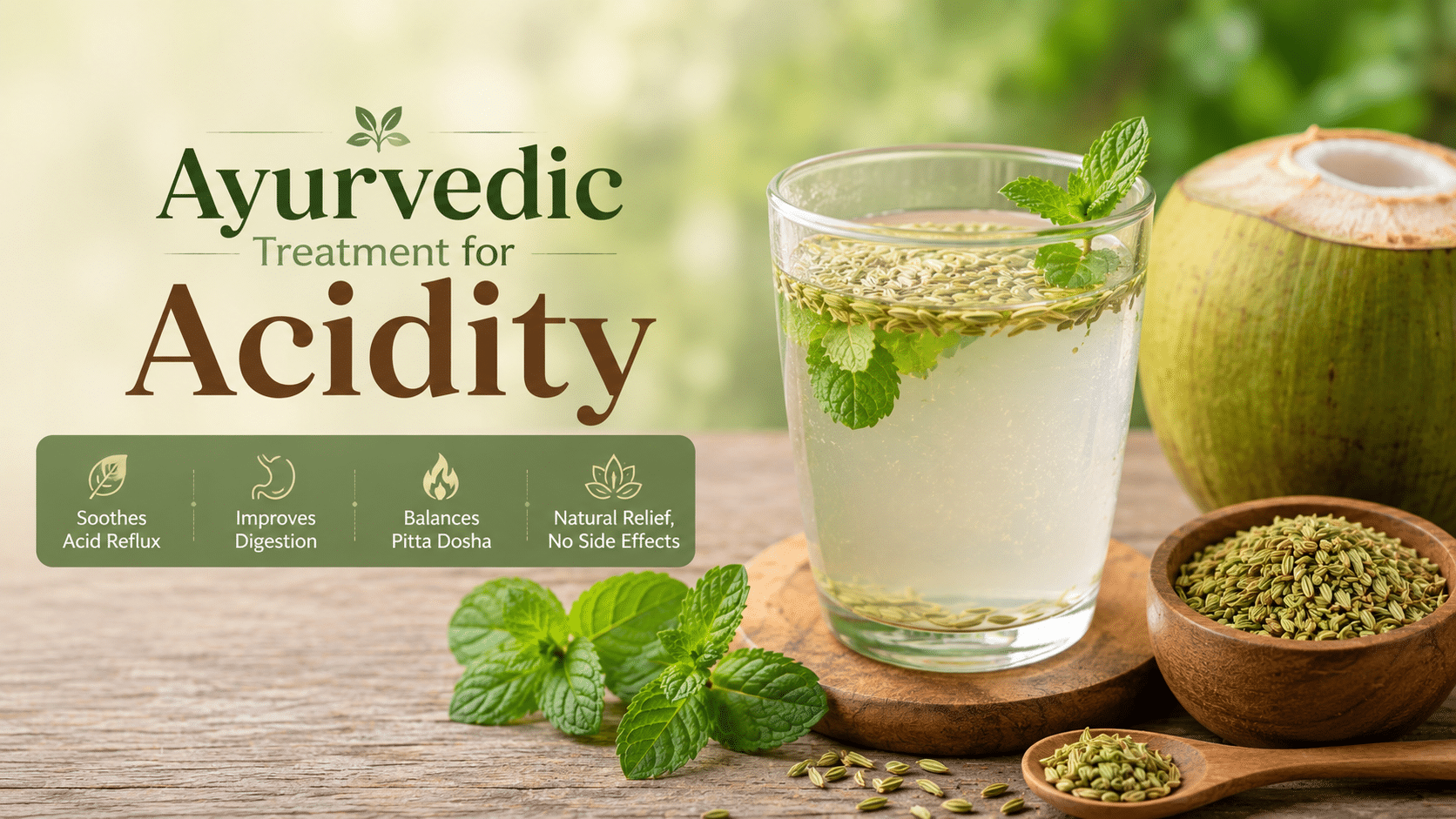
Ayurvedic Treatment for Acidity, Anandnagar

Ayurvedic Treatment for Acidity: A Natural Way to Heal Amlapitta from the Root

If you’ve ever felt that familiar burning rise in your chest after a heavy meal, or the sour taste that lingers long after you’ve finished eating, you already know how disruptive acidity can be. In Ayurveda, this condition is called “Amlapitta” — a state where excess Pitta dosha disturbs the digestive fire (Agni), producing a burning sensation, sour belching, and general discomfort after meals.

Most people reach for an antacid the moment these symptoms strike. It works — for an hour or two. But antacids only suppress the symptom; they don’t touch the imbalance causing it in the first place. This is exactly where ayurvedic treatment for acidity takes a different, more lasting approach: instead of simply neutralizing acid, it works to correct the underlying Pitta imbalance so the problem doesn’t keep coming back.

What Really Causes Acidity, According to Ayurveda

Before jumping into remedies, it helps to understand why acidity happens in the first place. Ayurveda points to a few everyday habits as the main culprits:

  1. Excess spicy or fried food — these are inherently heating and directly aggravate Pitta.
  2. Irregular eating times — skipping meals or eating at inconsistent hours confuses Agni.
  3. Chronic stress — mental agitation is considered a major, often-overlooked trigger for Pitta imbalance.
  4. Late-night eating — eating close to bedtime doesn’t give Agni enough time to process food properly before the body slows down for sleep.

Recognizing which of these patterns applies to you is often the first real step toward lasting relief, since no herbal remedy can outpace habits that keep re-aggravating Pitta.

Effective Ayurvedic Remedies for Acidity

Once the root causes are addressed, Ayurveda offers a set of simple, time-tested remedies that cool the digestive tract and restore balance. These are the pillars of any good ayurvedic treatment for acidity:

  1. Fennel seeds (Saunf): Chew about a teaspoon after meals. Fennel has a naturally cooling effect that calms the stomach and reduces the urge for sour belching.
  2. Amla (Indian gooseberry): One of Ayurveda’s most powerful Pitta-pacifiers, Amla soothes the gut lining while also supporting overall digestive strength.
  3. Coconut water: When acidity strikes suddenly, a glass of coconut water can cool the excess heat almost instantly while replenishing lost electrolytes.
  4. Cumin-coriander-fennel tea: This classic trio, sipped warm after meals, is one of the gentlest ways to support digestion without adding any heat to the system.
  5. Avipattikar Churna: A well-known classical Ayurvedic formulation specifically designed for acidity and hyperacidity, often recommended by practitioners for more persistent cases.

Dietary Tips to Support Ayurvedic Treatment for Acidity

Remedies work best when paired with the right diet. A few adjustments can make a significant difference:

  1. Cut back on excessive tea and coffee, which tend to increase acid production.
  2. Minimize spicy and fried foods, especially during flare-ups.
  3. Favor naturally cooling foods such as cucumber, melons, and leafy greens.
  4. Eat dinner at least 2–3 hours before bedtime, giving your stomach enough time to digest before you lie down.

These aren’t extreme restrictions — they’re small, sustainable shifts that, over time, keep Pitta from building up again.

Lifestyle Changes That Make a Real Difference

Diet and herbs are only part of the picture. Ayurveda places equal importance on how you eat and live day to day:

  1. Practice mindful eating — eating slowly and without distraction helps Agni do its job properly.
  2. Avoid lying down immediately after meals — this simple habit change alone can prevent a lot of nighttime discomfort.
  3. Manage stress through yoga and pranayama — since stress is one of the biggest hidden triggers of acidity, calming the mind is just as important as calming the stomach.

The Takeaway

With consistent use of these remedies and a bit of dietary discipline, most people start noticing real relief from acidity within a few weeks. The beauty of ayurvedic treatment for acidity lies in its gentleness — it doesn’t just silence the burning sensation temporarily, it works patiently to restore balance so the discomfort has less reason to return.

That said, if your acidity is chronic, severe, or accompanied by other symptoms, don’t rely on self-treatment alone. Consult a qualified Ayurvedic physician who can assess your unique constitution (Prakriti) and design a personalized treatment plan for lasting relief.

ayurvedic tips for healthy lifestyle

Ayurvedic tips for healthy Lifestyle

Ayurvedic tips for healthy lifestyle

Ancient Wisdom for Modern Living: Ayurvedic Tips for a Healthy Lifestyle

There’s a certain irony in how much time and money we spend chasing wellness — supplements, gadgets, fad diets — when a 5,000-year-old system from India has been quietly offering a blueprint all along. Ayurveda, which literally translates to “the science of life,” isn’t a diet or a quick fix. It’s a way of living in rhythm with your own body and with nature. And honestly, that’s what makes it so refreshing in a world obsessed with one-size-fits-all health advice.

Here’s a practical, no-nonsense look at how you can bring real Ayurvedic principles into your everyday life – Ayurvedic tips for healthy lifestyle.

Start With Understanding Your Dosha

Ayurveda is built on the idea that everyone is made up of three fundamental energies, or doshas — Vata (air and space), Pitta (fire and water), and Kapha (earth and water). Most of us have one or two that dominate our constitution, and this shapes everything from our digestion to our sleep patterns to our emotional tendencies.

  • Vata types tend to be quick-thinking, creative, and prone to anxiety or dry skin when out of balance.
  • Pitta types are driven, sharp, and can run “hot” — literally and figuratively — leading to irritability or inflammation.
  • Kapha types are grounded and steady, but can slide into sluggishness or weight gain when imbalanced.
  • You don’t need a formal consultation to start noticing your own patterns. Pay attention to how your body responds to heat, cold, stress, and different foods. That awareness alone is the first real step toward Ayurvedic living.

Wake Up With the Sun — Dinacharya Matters

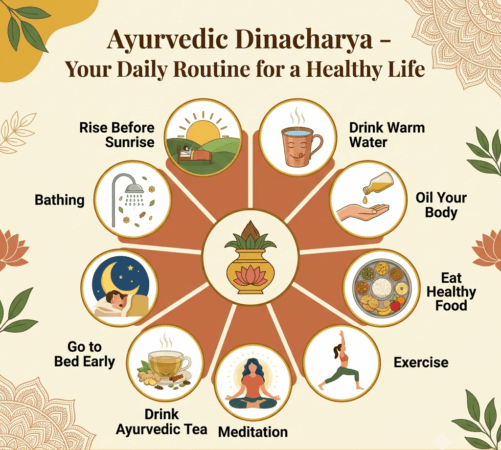
One of the most talked-about (and most skipped) Ayurvedic practices is dinacharya, or daily routine. The idea is simple: your body has its own internal clock, and aligning with it — rather than fighting it — reduces stress on your system.

A few grounded ways to start:

  1. Rise before sunrise, ideally between 5:30 and 6:30 AM, when the mind is naturally calm and clear.
  2. Scrape your tongue first thing in the morning with a copper or stainless steel scraper to remove overnight toxin buildup (called ama) before it gets reabsorbed.
  3. Drink warm water, sometimes with lemon, to gently kickstart digestion.
  4. Oil your body (abhyanga) with warm sesame or coconut oil before showering — this isn’t just indulgent, it genuinely calms the nervous system and keeps skin nourished.

None of this requires an hour of free time. Even ten quiet minutes before the day gets loud can shift how the rest of it feels.

Eat According to Your Digestive Fire

In Ayurveda, digestion is everything. The concept of agni, or digestive fire, is central — when it’s strong, food is transformed into energy and vitality; when it’s weak, it turns into toxins that accumulate in the body.

A few timeless (and genuinely sensible) principles:

  1. Eat your largest meal at midday, when digestive fire is naturally strongest, rather than loading up at night.
  2. Favor warm, cooked foods over cold or raw ones, especially in the mornings and evenings — they’re easier on digestion.
  3. Eat mindfully and without distraction. No scrolling through your phone at the dinner table. Ayurveda treats eating almost as a small ritual, not just fuel intake.
  4. Include all six tastes — sweet, sour, salty, bitter, pungent, and astringent — in your meals. This isn’t about complexity; it’s about balance, and it naturally curbs cravings because your body feels satisfied.
  5. Don’t drink ice-cold water with meals. It’s said to dampen agni. Room temperature or warm water is preferred.

Move With Intention, Not Punishment

Ayurveda doesn’t advocate for grueling workouts that leave you depleted. Instead, it encourages movement that matches your constitution and the season. Gentle yoga, walking, and stretching are staples — not because intensity is bad, but because sustainable, joyful movement tends to actually stick.

Practices like Surya Namaskar (Sun Salutations) in the morning are especially valued, as they combine movement, breath, and a quiet moment of gratitude before the day begins.

Respect Sleep as Medicine

Ayurveda takes sleep seriously — it’s considered one of the three pillars of health, alongside food and the proper management of energy (or ojas). Irregular sleep isn’t just tiredness in this framework; it’s seen as a direct disruption to your body’s healing capacity.

Simple shifts that make a real difference:

  • Aim to be in bed by 10 PM, before the second wind of “Pitta time” (roughly 10 PM–2 AM) kicks in and makes you feel wired.
  • Avoid heavy meals, caffeine, and screens close to bedtime.
  • A few drops of warm oil massaged into the soles of the feet before sleep is an old but genuinely calming ritual worth trying.

Let the Seasons Guide You

Ayurveda has a concept called ritucharya — seasonal routine — which recognizes that your body’s needs shift with the seasons. Warming, grounding foods in winter. Light, cooling foods in summer. Detoxifying, lighter routines during the damp transition seasons. It’s less about rigid rules and more about listening — noticing what your body is asking for as the weather changes, rather than eating the same way year-round out of habit.

Herbs and Spices as Everyday Allies

You don’t need an elaborate herbal regimen to benefit from Ayurveda’s plant wisdom. Many staples are probably already in your kitchen:

  • Turmeric for its anti-inflammatory properties
  • Ginger to kindle digestion
  • Ashwagandha for stress resilience
  • Tulsi (holy basil) as a calming, immune-supportive tea
  • Cumin, coriander, and fennel as a simple digestive tea (CCF tea) after meals

These aren’t magic bullets, but woven into daily life consistently, they add up.

The Bigger Picture: Balance Over Perfection

Perhaps the most important — and most overlooked — Ayurvedic principle is this: health isn’t about rigid discipline or chasing an ideal. It’s about balance, and balance looks different for everyone. Some days you’ll eat warm, home-cooked khichdi and go to bed early. Other days you’ll have coffee and takeout, and that’s fine too. Ayurveda isn’t asking for perfection; it’s asking for awareness.

The beauty of this system lies in its adaptability. You don’t have to overhaul your life overnight. Start with one habit — tongue scraping, an earlier bedtime, a warm glass of water in the morning — and let it become natural before adding another. Real, sustainable wellness is built this way: slowly, gently, and in tune with who you actually are.

This article is for general informational purposes and reflects traditional Ayurvedic principles. It isn’t a substitute for professional medical advice — if you have specific health concerns, please consult a qualified healthcare provider or Ayurvedic practitioner.

Panchkarma Treatment

Introduction: Understanding the Principles of Panchkarma treatment in Ayurveda

Panchkarma treatment is a renowned therapeutic procedure in Ayurveda, the ancient Indian system of medicine. It is considered one of the most powerful purification processes that Ayurveda offers for detoxifying the body and rejuvenating the mind. Panchkarma treatments aim to eliminate toxins from the body and restore the balance of the doshas (bioenergetic forces) to promote overall health and well-being. In this blog, we will delve into the principles of Panchkarma in Ayurveda and explore its various benefits and applications in modern healthcare practices.

The Historical Significance of Panchkarma in Treatment Ayurvedic Medicine

Panchkarma has a rich historical significance dating back thousands of years in Ayurvedic medicine. It was developed as a comprehensive healing system to address imbalances in the body caused by environmental factors, lifestyle choices, and genetic predispositions. The ancient texts of Ayurveda mention the importance of Panchkarma in maintaining health and preventing diseases by purifying the body and mind. Understanding the origins and evolution of Panchkarma can provide valuable insights into its profound impact on holistic well-being and its enduring relevance in contemporary healthcare practices.

Panchkarma Treatment

Overview of Panchkarma Procedures and Techniques

Panchkarma encompasses a series of purification procedures aimed at detoxifying and rejuvenating the body. The main techniques involved in Panchkarma include therapeutic vomiting (Vamana), purgation (Virechana), enemas (Basti), nasal administration (Nasya), and blood purification (Rakta Mokshana). Each procedure serves a specific purpose in eliminating toxins, balancing doshas, and restoring harmony to the body and mind. Understanding the intricacies of these techniques and their individual benefits can help individuals make informed decisions about incorporating Panchkarma into their wellness routines. Stay tuned to delve deeper into the therapeutic effects of each Panchkarma procedure.

Key Benefits of Panchkarma for Physical and Mental Well-being

Panchakarma is a traditional Ayurvedic detoxification and rejuvenation therapy that offers numerous health benefits. Some of the key benefits include:

1. Detoxification: Helps in removing accumulated toxins (ama) from the body, promoting overall health.
2. Improved Digestion: Enhances digestive fire (agni), leading to better absorption of nutrients.
3. Increased Energy Levels: Restores vitality and reduces fatigue.
4. Balanced Doshas: Helps in balancing the body’s fundamental energies (Vata, Pitta, Kapha).
5. Enhanced Immunity: Strengthens the immune system to prevent illnesses.
6. Stress Reduction: Promotes mental clarity, reduces stress, and improves emotional well-being.
7. Skin Health: Contributes to clearer, healthier skin by eliminating impurities.
8. Pain Relief: Alleviates chronic pain conditions like arthritis and muscular pain.
9. Weight Management: Supports healthy weight loss and metabolic function.
10. Better Sleep: Improves sleep quality through relaxation and toxin removal.

Common Misconceptions about Panchkarma Treatment and Ayurveda

Despite its proven benefits, there are several misconceptions surrounding Panchkarma and Ayurveda. One common myth is that Panchkarma is only for those experiencing serious health issues. In reality, this holistic therapy can benefit individuals of all ages and health conditions by promoting preventive care and overall well-being. Another misconception is that Ayurveda is slow or ineffective compared to modern medicine. In truth, Ayurveda aims to address the root cause of health issues rather than just treating symptoms, leading to sustainable and holistic healing. Let’s debunk these misconceptions and uncover the true essence of Panchkarma and Ayurveda for optimal health and wellness.

Safety Considerations and Contraindications for Panchkarma

While Panchkarma offers numerous benefits, it is essential to consider safety measures and contraindications before undergoing this Ayurvedic treatment. Individuals with certain health conditions such as pregnancy, severe cardiovascular issues, or acute infections may not be suitable candidates for Panchkarma therapies. Consulting a qualified Ayurvedic practitioner and discussing your medical history is crucial to ensure that the treatment aligns with your individual health needs. Additionally, following prescribed dietary guidelines and lifestyle recommendations during and after Panchkarma is vital for maximizing its effectiveness and minimizing any potential risks. Prioritizing safety and personalized care will help you experience the full benefits of Panchkarma in a secure and effective manner.

Conclusion: Enhancing Health through Panchkarma Practices

In conclusion, incorporating Panchkarma practices into your wellness routine can be a transformative experience for your overall health and well-being. By understanding the safety considerations and contraindications associated with Panchkarma, you can ensure a tailored approach that aligns with your specific health needs. Embracing personalized care and following professional guidance from Ayurvedic practitioners can enhance the effectiveness of your Panchkarma treatments and minimize any potential risks. Remember, prioritizing safety while undergoing Panchkarma therapies, along with maintaining a balanced lifestyle, will help you reap the full benefits of this ancient Ayurvedic practice. Take the first steps towards optimizing your health through the rejuvenating power of Panchkarma today.

Infertility treatment in Ayurveda

Infertility treatment in Ayuveda

Infertility treatment in Ayurveda

Introduction: Understanding Infertility in Ayurveda

Infertility is a complex and deeply personal issue that affects millions of couples worldwide. In recent years, many individuals have turned to alternative therapies such as Ayurveda to address this challenging condition. Ayurveda, an ancient system of holistic healing that originated in India, offers a comprehensive approach to treating infertility. By addressing the root causes of infertility through diet, lifestyle changes, and herbal remedies, Ayurveda aims to restore balance to the body and optimize fertility. In this blog, we will explore the principles of Ayurveda related to infertility and how this ancient practice can offer hope and healing to those struggling to conceive.

Infertility treatment in Ayurveda

The Ayurvedic Perspective on Infertility: Causes and Diagnosis

In Ayurveda, infertility is believed to result from an imbalance in the doshas – Vata, Pitta, and Kapha. The causes of infertility according to Ayurveda can vary, including improper diet, stress, hormonal imbalances, and lifestyle factors. Ayurvedic practitioners diagnose infertility by analyzing the individual’s doshic constitution, assessing the state of their tissues, evaluating digestive strength, and examining overall health and vitality. Understanding the underlying imbalances and identifying the root cause is crucial in Ayurvedic treatment for infertility. In the upcoming sections, we will delve deeper into the Ayurvedic approach to addressing these causes and restoring fertility through natural and holistic methods.

Key Principles of Ayurvedic Treatment for Infertility

Ayurvedic treatment for infertility follows key principles aimed at restoring balance to the doshas and promoting overall health and well-being. These principles include personalized diet and lifestyle recommendations tailored to the individual’s doshic imbalances, utilization of specific herbs and herbal formulations to support reproductive health, stress management techniques such as yoga and meditation, detoxification practices to eliminate toxins from the body, and rejuvenation therapies to enhance vitality and fertility. By addressing the root cause of infertility and supporting the body’s natural healing mechanisms, Ayurveda offers a comprehensive and holistic approach to overcoming fertility challenges.

Herbal Remedies and Natural Treatments in Ayurveda

In Ayurveda, herbal remedies play a pivotal role in addressing infertility by promoting balance and vitality within the body. Various herbs and natural treatments are specifically tailored to support reproductive health and enhance fertility. Ayurvedic practitioners often recommend herbal formulations such as ashwagandha, shatavari, and gokshura, known for their rejuvenating and fertility-boosting properties. These natural remedies work synergistically to address imbalances, strengthen reproductive tissues, and promote optimal hormonal function. Additionally, incorporating lifestyle modifications and dietary recommendations complement the efficacy of herbal treatments in restoring fertility.

Lifestyle Changes and Dietary Recommendations for Enhancing Fertility

Apart from herbal remedies, making mindful lifestyle changes and adopting a fertility-focused diet can significantly impact one’s reproductive health. Ayurveda emphasizes the importance of maintaining a balanced lifestyle by incorporating practices such as regular exercise, stress management techniques, and adequate sleep. Additionally, following a diet rich in nutrient-dense foods, whole grains, fresh fruits, and vegetables can provide essential vitamins and minerals crucial for reproductive health.

The Role of Panchakarma Therapies in Enhancing Fertility

Panchakarma therapies, a cornerstone of Ayurvedic medicine, offer a comprehensive approach to addressing infertility by balancing the body, mind, and spirit. These ancient techniques cleanse the body of toxins, restore hormonal balance, and promote overall well-being to optimize fertility. From Abhyanga (therapeutic oil massage) to Shirodhara (soothing oil treatment), each Panchakarma therapy is tailored to the individual’s specific needs, addressing root causes of infertility. By nurturing the body holistically, Panchakarma therapies pave the way for a healthier reproductive system and increased chances of conception.

Key Panchakarma Treatments Beneficial for Infertility

When undergoing Panchakarma therapies for infertility, several key treatments stand out for their effectiveness. Vamana (therapeutic emesis) helps eliminate excess Kapha dosha and toxins from the upper body, promoting hormonal balance crucial for fertility. Basti (medicated enema) aids in cleansing the colon and removing accumulated toxins, supporting the restoration of reproductive health. Additionally, Nasya (nasal administration of medicated oils) targets imbalances in the upper respiratory tract, vital for hormonal regulation. Uttarbasti is also one of most essential treatment recommend to the patient to get the best results for treating infertility. Understanding the specific benefits of these treatments can guide individuals in choosing the most suitable Panchakarma therapies to enhance fertility outcomes.

Conclusion: Embracing Panchakarma as a Complementary Approach to Infertility Treatment

In conclusion, incorporating Panchakarma therapies as a complementary approach to infertility treatment can offer a holistic and personalized solution for those seeking to address underlying imbalances in the body. By working closely with a qualified Ayurvedic practitioner and committing to the recommended treatments, dietary modifications, and lifestyle adjustments, individuals can enhance their reproductive health and overall well-being. Remember that Panchakarma is a journey that requires dedication and patience, but the potential benefits in improving fertility outcomes make it a promising path to explore. Stay proactive in seeking expert guidance and taking proactive steps towards optimizing your health through Panchakarma therapies.

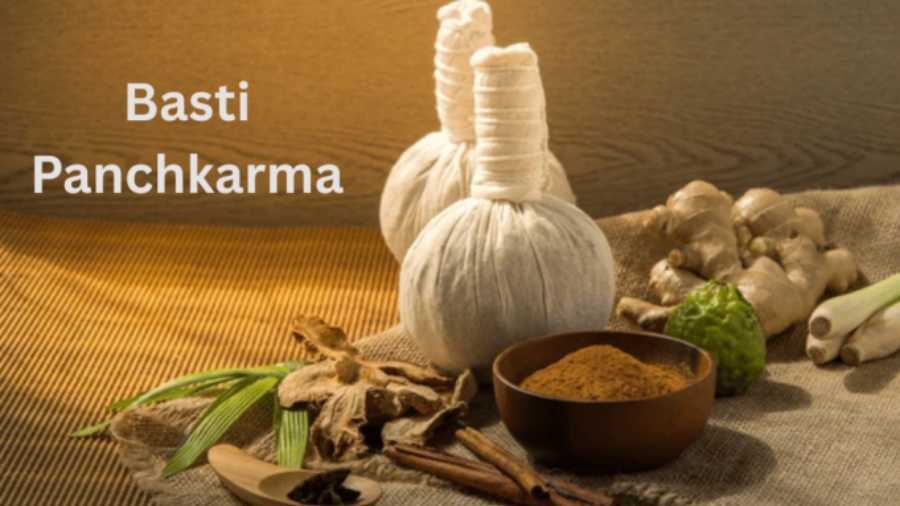
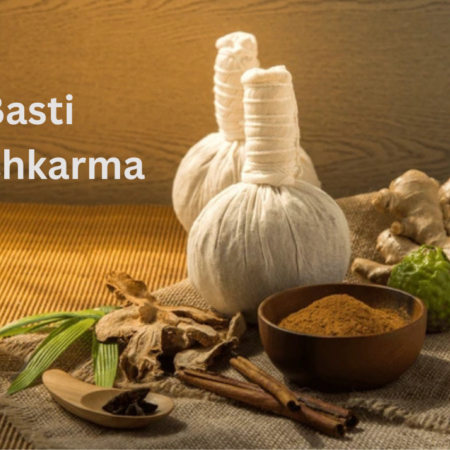
Basti Panchkarma

Basti Panchkarma

1. Introduction: The Significance of Rainy Season and Basti Panchkarma Treatment in Ayurveda

The rainy season can bring relief from the scorching heat of summer, but it can also bring about health issues related to the change in weather. In Ayurveda, basti panchkarma treatment is a powerful detoxification therapy that can help balance the body and promote overall wellness during this time. By understanding the principles of Ayurveda and incorporating Basti panchakarma treatment into your routine, you can effectively navigate the rainy season with ease. Read on to learn more about how Ayurveda can help you stay healthy and balanced during this time of year.

Basti Panchkarma

2. Understanding the Rainy Season: Its Effects on Health and Well-being

As the rainy season progresses, it is crucial to be aware of its impact on our health and well-being. The increased humidity and moisture in the air during this time can create a breeding ground for bacteria and viruses, making us more susceptible to illnesses like colds, flu, and digestive issues. It is vital to strengthen our immune system and adopt preventive measures to stay healthy. In the upcoming section, we will delve deeper into the specific health challenges posed by the rainy season and explore effective strategies to maintain optimal health and well-being using Ayurvedic principles and Basti panchakarma treatment. Stay tuned for valuable insights and practical tips to thrive during this season.

3. Overview of Panchkarma: An Essential Ayurvedic Detoxification Process

Panchkarma is a fundamental detoxification process in Ayurveda, aimed at restoring the body’s natural balance and eliminating toxins accumulated during the changing seasons, especially during the rainy season when our body is more susceptible to imbalances. This ancient therapy involves a series of cleansing procedures that aid in purifying the body, mind, and spirit. Through specific therapies such as Basti (enema), Vamana (emesis), Virechana (purgation), Nasya (nasal administration), and Rakta Mokshana (bloodletting), Panchkarma helps in removing deep-seated toxins and rejuvenating the body’s innate healing abilities. In the following section, we will explore the Basti Panchkarma treatment and its significance in promoting overall health and well-being during the rainy season.

4. Basti Panchkarma Treatment: Exploring Its Role and Benefits During the Rainy Season

Basti, a significant component of Panchkarma therapy, holds profound importance, particularly during the rainy season. This Ayurvedic enema treatment plays a vital role in eliminating accumulated toxins, balancing doshas, and enhancing the body’s overall resilience. During monsoons, our bodies tend to accumulate excess moisture and toxins, making us more susceptible to illnesses. Basti treatment, through its cleansing and nourishing actions, aids in strengthening the digestive system, promoting optimal absorption of nutrients, and revitalizing the body’s natural detoxification mechanisms.

5. Best Practices for Integrating Basti Panchkarma into Your Wellness Routine

As we navigate through the rainy season, it’s crucial to incorporate Basti panchkarma into your wellness routine judiciously. Consulting with an experienced Ayurvedic practitioner to determine the most suitable type of Basti treatment based on your unique constitution and health needs is paramount. Prioritize regular sessions to experience the full benefits of this detoxification therapy. Maintaining a balanced diet, staying hydrated, and engaging in gentle exercises can complement the effects of Basti treatment. Embracing mindfulness practices and adequate rest also play a pivotal role in optimizing the outcomes of your Ayurvedic regimen.

6. Conclusion: Embracing Basti Panchkarma for Optimal Health in the Rainy Season

In conclusion, the integration of Basti panchakarma into a wellness routine during the rainy season can yield significant health benefits. Through the case study and insights shared in this blog, we have seen how this Ayurvedic treatment modality can effectively address seasonal health challenges and promote overall well-being. By embracing Basti panchakarma, individuals can harness the healing potential of Ayurveda to maintain optimal health and vitality during this transitional period. As we continue to navigate the complexities of seasonal changes, incorporating Basti panchakarma into our self-care practices can be a valuable tool in supporting our physical, mental, and emotional well-being. Let’s strive to prioritize holistic health and embrace the wisdom of Ayurveda in the rainy season and beyond.

Recent Posts -

Ayurvedic Treatment for Skin Problems

Ayurvedic Treatment for Skin Problems

Ayurvedic Treatment for Skin Problems: A Holistic Approach

Skin problems can be a source of discomfort, affecting not only our physical health but also our mental well-being. Conventional treatments often focus on suppressing symptoms, but Ayurvedic treatment for all your skin problems offers a holistic approach that addresses the root cause of skin issues.

Ayurvedic Treatment for Skin Problems

Understanding Skin Problems in Ayurveda

Ayurveda views skin problems as a manifestation of imbalances in the body’s doshas (Vata, Pitta, and Kapha). Each dosha has distinct characteristics, and understanding these can help identify the underlying cause of skin issues.

– Pitta imbalance: Often associated with inflammatory skin conditions like acne, rashes, and eczema.

– Kapha imbalance: May lead to oily skin, congestion, and conditions like psoriasis.

– Vata imbalance: Can cause dry, rough, or sensitive skin.

Ayurvedic treatment for skin problems focuses on:

  1. Balancing doshas: Restoring balance to the body’s energies through diet, lifestyle, and herbal remedies.
  2. Detoxification: Removing toxins and impurities from the body through therapies like Panchakarma.
  3. Nourishment: Providing essential nutrients and hydration to promote healthy skin.
  4. Stress management: Practicing techniques like yoga, meditation, and relaxation to reduce stress.
  5. Improved Blood Circulation: Enhances blood flow and nutrient absorption, nourishing skin cells.

Herbal Remedies for Skin Problems

Ayurvedic herbs like:

– Neem: Known for its antibacterial and anti-inflammatory properties.

– Turmeric: Rich in antioxidants and anti-inflammatory compounds.

– Guduchi: Boosts immunity and promotes healthy skin.

Dietary Recommendations

A balanced diet that:

– Avoids trigger foods: Identifies and eliminates foods that exacerbate skin issues.

– Emphasizes cooling foods: Includes foods like cucumber, yogurt, and green leafy vegetables to soothe the skin.

– Includes nourishing foods: Rich in omega-3 fatty acids, vitamins, and minerals.

Lifestyle Modifications

– Stress management: Regular practice of yoga, meditation, and relaxation techniques.

– Good hygiene: Maintaining cleanliness and using natural skincare products.

– Adequate sleep: Ensuring sufficient rest and relaxation.

Panchakarma Therapies for Skin Problems

Abhyanga (Oil Massage): Loosens toxins, improves circulation, and nourishes skin.

Swedana (Herbal Steam Therapy): Opens pores, expelling toxins and promoting detoxification.

Virechana (Purgation Therapy): Eliminates excess Pitta dosha, beneficial for skin diseases and digestive issues.

Basti (Medicated Enema): Balances Vata dosha, nourishing tissues and promoting skin health.

Nasya (Nasal Administration): Removes toxins from the head and neck area, promoting overall skin health.

Skin Conditions Treated with Panchakarma

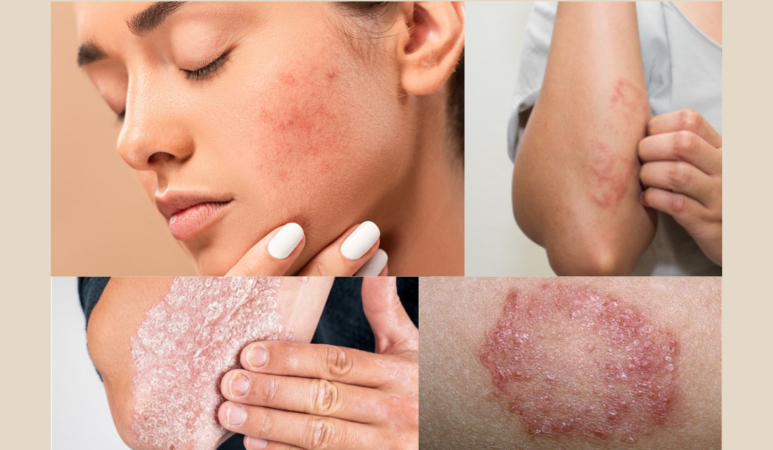
– Psoriasis: Reduces inflammation, scaling, and itching.

– Eczema: Soothes irritated skin, reducing inflammation and promoting skin health.

– Acne: Targets root causes, regulating hormonal levels and improving digestive functions.

Conclusion

Ayurvedic treatment for skin problems offers a holistic approach that addresses the root cause of issues. By understanding the underlying dosha imbalance and incorporating herbal remedies, dietary changes, lifestyle modifications, and Panchakarma therapy, individuals can achieve healthy, radiant skin. Consult an Ayurvedic practitioner to create a personalized treatment plan.

Recent Posts -

Ayurvedic Abhyanga Massage

Ayurvedic Abhyanga Massage

Ayurvedic Abhyanga Massage -

Understanding Abhyanga Panchkarma Therapy and Its Role in Ayurveda

Abhyanga (massage) Panchkarma therapy is a traditional Ayurvedic practice that has been used for centuries to promote overall health and well-being. This therapy involves the application of warm herbal oils to the body in a specific manner, followed by a series of massage techniques. The benefits of Ayurvedic Abhyanga Massage therapy are numerous, including improved circulation, detoxification, and relaxation. In this blog, we will explore the importance of this ancient therapy in Ayurveda and how it can benefit individuals looking to achieve optimal health and wellness.

Ayurvedic Abhyanga Massage

What is Abhyanga Panchkarma? Definition and Key Components

Abhyanga Panchkarma is a rejuvenating cleansing therapy in Ayurveda that involves the application of warm herbal oils on the body followed by a therapeutic massage. This process aims to remove toxins, promote circulation, and restore the balance of doshas. Abhyanga, the oil massage, nourishes the skin, calms the mind, and enhances overall health. Panchkarma involves a series of detoxification techniques that help eliminate accumulated impurities and revitalize the body’s innate healing abilities. Understanding the essence and components of Abhyanga Panchkarma is crucial to harnessing its full benefits in achieving holistic well-being. Let’s explore the practice of Abhyanga Panchkarma in more detail, its various forms, and its significance in Ayurvedic healing.

The Importance of Ayurvedic Abhyanga Massage Therapy in Modern Wellness

In today’s fast-paced world, the significance of traditional practices like Abhyanga Panchkarma therapy is more profound than ever. In modern wellness, where stress and toxins abound, this ancient Ayurvedic therapy offers a holistic approach to detoxification and rejuvenation. Abhyanga Panchkarma goes beyond mere physical benefits; it nurtures mental clarity, emotional balance, and spiritual well-being. By promoting the elimination of toxins and restoring the body’s natural equilibrium, this therapy enhances vitality and resilience. Embracing the practice of Abhyanga Panchkarma in our wellness routines can lead to a profound transformation, aligning us with the timeless wisdom of Ayurveda for sustained health and vitality.

Benefits of Abhyanga: Physical, Mental, and Emotional Well-being

Abhyanga Panchkarma therapy offers a multitude of benefits that extend beyond purely physical well-being. The regular practice of Abhyanga not only aids in detoxification and rejuvenation but also nourishes mental clarity, emotional balance, and spiritual harmony. Physically, the therapy helps in improving circulation, relieving muscle tension, and enhancing the skin’s health. Mentally, it promotes relaxation, reduces stress, and improves focus. Emotionally, Abhyanga balances the emotions, uplifts the mood, and fosters a sense of inner peace. By embracing Abhyanga Panchkarma in our wellness routines, we invite a holistic approach to overall health and well-being, aligning our bodies, minds, and spirits with the principles of Ayurveda.

Integrating Abhyanga Panchkarma into Your Health Routine

Incorporating Abhyanga Panchkarma into your daily health routine can significantly enhance your overall well-being. To start, set aside time each day for this practice, ideally in the morning before your shower. Choose a warm, high-quality oil best suited for your dosha, and heat it slightly for a more soothing experience. Begin the self-massage with gentle, circular motions on the limbs, moving towards the heart to improve circulation. Pay attention to areas of tension and focus on releasing them with care. Allow the oil to penetrate your skin for at least 15-20 minutes before washing it off. Embrace this self-loving ritual regularly to experience profound physical, mental, and emotional benefits. You can also visit to our clinic named Dr. Narkhede Ayurved & Panchkarma Clinic located at Anandnagar, Ghodbunder road, Thane(w) to take abhyanga therapy by our well-trained therapist.

Conclusion : Embracing Ayurvedic Abhyanga Massage for Optimal Health and Balance

In conclusion, integrating Abhyanga Panchkarma into your health routine can be a transformative practice rooted in Ayurvedic principles. By dedicating time to this self-care ritual daily, you not only nourish your body but also nurture your mind and spirit. The gentle massage motions coupled with the healing properties of warm oils help in detoxifying the body, reducing stress, and promoting a sense of balance. Embrace this ancient therapy as a holistic approach to wellness, prioritizing your overall well-being. Remember, consistency is key in reaping the full benefits of Abhyanga Panchkarma. Make it a sacred part of your daily routine and witness the profound impact it has on your health and vitality.

Recent Posts -

Allergy Treatment P

Ayurvedic treatment for Allergy

Ayurvedic Treatment for Allergy -

Introduction: Understanding Ayurvedic Panchakarma Treatment and Its Role in Managing Allergies

Panchkarma is an integral part of Ayurveda, an ancient Indian holistic healing system that focuses on balancing the body, mind, and spirit. In recent years, more and more people are turning to Ayurvedic treatments like Panchkarma to address their allergy problems. This traditional detoxification therapy not only helps alleviate symptoms like sneezing, itching, and congestion but also strengthens the immune system and promotes overall well-being. To understand the benefits of Panchkarma Ayurvedic treatment for allergies and how it can help you find relief, read on.

The Science Behind Allergies: Causes and Symptoms

Allergies are commonly triggered by airborne particles, food, or other substances that the immune system perceives as harmful invaders. This misconception leads to an immune response that can cause symptoms such as sneezing, itching, swelling, and even breathing difficulties. Understanding the root causes of allergies is crucial in managing and preventing them effectively. In the following section, we will delve into the various causes and symptoms of allergies to provide a comprehensive insight into how Ayurvedic Panchkarma treatment can combat these allergic reactions at their core.

Overview of Panchakarma: The Ayurvedic Detoxification Process

Panchakarma is a renowned Ayurvedic detoxification method that aims to cleanse the body of toxins and restore balance to the doshas – Vata, Pitta, and Kapha. This ancient practice involves a series of therapies tailored to individual needs, including massage, herbal steam therapy, and dietary adjustments. By eliminating accumulated toxins and rejuvenating the body at a cellular level, Panchakarma not only addresses the symptoms but also targets the root cause of allergies. In the upcoming section, we will explore the specific Panchakarma treatments that can help alleviate allergy symptoms and promote long-term wellness.

Types of Panchakarma Therapies Effective for Allergies

Among the various Panchakarma therapies, certain treatments stand out for their effectiveness in addressing allergies. Vamana (therapeutic vomiting) and Nasya (nasal therapy) are two powerful therapies often recommended for allergy sufferers. Vamana helps eliminate excess mucus and toxins from the respiratory system, providing relief from congestion and respiratory issues commonly associated with allergies. Nasya involves administering herbal oils or powders through the nasal passage, targeting nasal congestion, sinusitis, and other respiratory concerns. These therapies, when performed under the guidance of a trained Ayurvedic practitioner, can significantly alleviate allergy symptoms and enhance overall well-being. In the upcoming section, we will explore the intricacies of these therapies and their profound impact on allergy management. Stay tuned for valuable insights into Ayurvedic solutions for allergies.

Conclusion: Embracing Ayurvedic Approaches for Lasting Allergy Relief

In conclusion, choosing Ayurvedic Panchakarma treatment for managing allergies is a wise and holistic approach that delves into the root cause of the issue. By addressing individual imbalances and restoring harmony to the body and mind, Panchakarma’s therapeutic procedures can provide lasting relief from allergic symptoms.

Embrace the rich tradition of Ayurveda and explore the transformative benefits of Panchakarma for alleviating allergies. Stay tuned for more insightful content on Ayurvedic practices and their incredible healing potential.

At our Dr. Narkhede Ayurved & Panchkarm Clinic best ayurvedic treatment for allergy is given according to ones body constitution. Do visit or book an appointment to treat your allergy problems from its root cause.

Recent Posts -

Ayurvedic Treatment

Ayurvedic Treatment

1. Introduction: Understanding the Role of Ayurvedic Treatment in Modern Healthcare Ayurveda is an ancient system of medicine with roots in India that has been practiced for thousands of years. This holistic approach to health and wellness focuses on balancing the mind, body, and spirit to achieve optimal health. Ayurvedic treatments often involve a combination […]