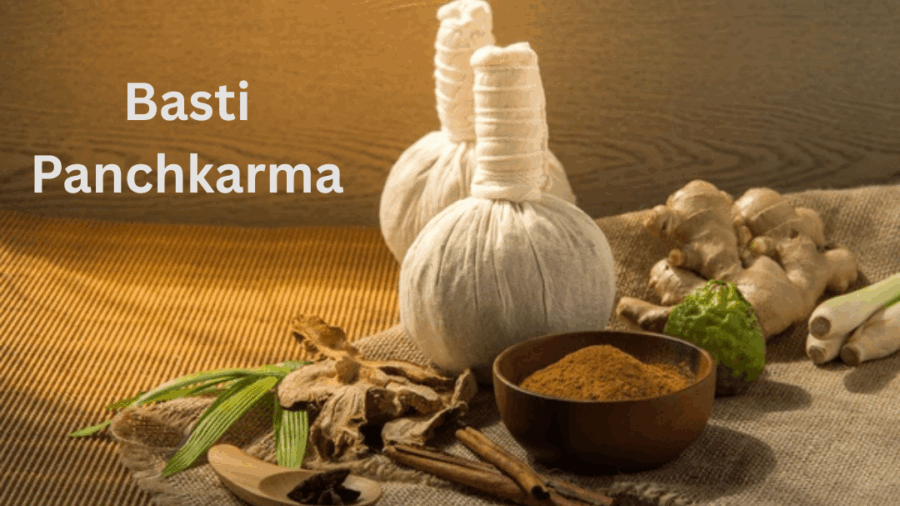
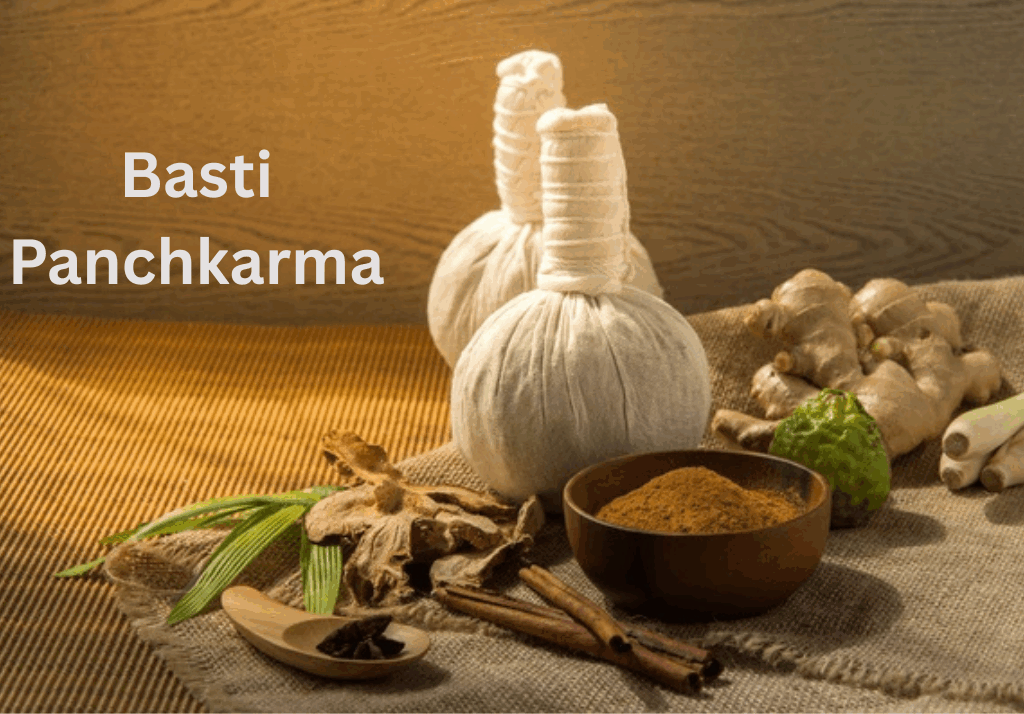

Basti Panchkarma

Basti Panchkarma

1. Introduction: The Significance of Rainy Season and Basti Panchkarma Treatment in Ayurveda

The rainy season can bring relief from the scorching heat of summer, but it can also bring about health issues related to the change in weather. In Ayurveda, basti panchkarma treatment is a powerful detoxification therapy that can help balance the body and promote overall wellness during this time. By understanding the principles of Ayurveda and incorporating Basti panchakarma treatment into your routine, you can effectively navigate the rainy season with ease. Read on to learn more about how Ayurveda can help you stay healthy and balanced during this time of year.

Basti Panchkarma

2. Understanding the Rainy Season: Its Effects on Health and Well-being

As the rainy season progresses, it is crucial to be aware of its impact on our health and well-being. The increased humidity and moisture in the air during this time can create a breeding ground for bacteria and viruses, making us more susceptible to illnesses like colds, flu, and digestive issues. It is vital to strengthen our immune system and adopt preventive measures to stay healthy. In the upcoming section, we will delve deeper into the specific health challenges posed by the rainy season and explore effective strategies to maintain optimal health and well-being using Ayurvedic principles and Basti panchakarma treatment. Stay tuned for valuable insights and practical tips to thrive during this season.

3. Overview of Panchkarma: An Essential Ayurvedic Detoxification Process

Panchkarma is a fundamental detoxification process in Ayurveda, aimed at restoring the body’s natural balance and eliminating toxins accumulated during the changing seasons, especially during the rainy season when our body is more susceptible to imbalances. This ancient therapy involves a series of cleansing procedures that aid in purifying the body, mind, and spirit. Through specific therapies such as Basti (enema), Vamana (emesis), Virechana (purgation), Nasya (nasal administration), and Rakta Mokshana (bloodletting), Panchkarma helps in removing deep-seated toxins and rejuvenating the body’s innate healing abilities. In the following section, we will explore the Basti Panchkarma treatment and its significance in promoting overall health and well-being during the rainy season.

4. Basti Panchkarma Treatment: Exploring Its Role and Benefits During the Rainy Season

Basti, a significant component of Panchkarma therapy, holds profound importance, particularly during the rainy season. This Ayurvedic enema treatment plays a vital role in eliminating accumulated toxins, balancing doshas, and enhancing the body’s overall resilience. During monsoons, our bodies tend to accumulate excess moisture and toxins, making us more susceptible to illnesses. Basti treatment, through its cleansing and nourishing actions, aids in strengthening the digestive system, promoting optimal absorption of nutrients, and revitalizing the body’s natural detoxification mechanisms.

5. Best Practices for Integrating Basti Panchkarma into Your Wellness Routine

As we navigate through the rainy season, it’s crucial to incorporate Basti panchkarma into your wellness routine judiciously. Consulting with an experienced Ayurvedic practitioner to determine the most suitable type of Basti treatment based on your unique constitution and health needs is paramount. Prioritize regular sessions to experience the full benefits of this detoxification therapy. Maintaining a balanced diet, staying hydrated, and engaging in gentle exercises can complement the effects of Basti treatment. Embracing mindfulness practices and adequate rest also play a pivotal role in optimizing the outcomes of your Ayurvedic regimen.

6. Conclusion: Embracing Basti Panchkarma for Optimal Health in the Rainy Season

In conclusion, the integration of Basti panchakarma into a wellness routine during the rainy season can yield significant health benefits. Through the case study and insights shared in this blog, we have seen how this Ayurvedic treatment modality can effectively address seasonal health challenges and promote overall well-being. By embracing Basti panchakarma, individuals can harness the healing potential of Ayurveda to maintain optimal health and vitality during this transitional period. As we continue to navigate the complexities of seasonal changes, incorporating Basti panchakarma into our self-care practices can be a valuable tool in supporting our physical, mental, and emotional well-being. Let’s strive to prioritize holistic health and embrace the wisdom of Ayurveda in the rainy season and beyond.

Recent Posts -

Ayurvedic Treatment for Skin Problems

Ayurvedic Treatment for Skin Problems

Ayurvedic Treatment for Skin Problems: A Holistic Approach

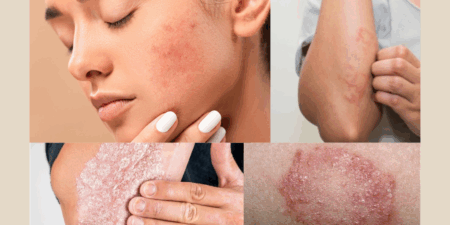
Skin problems can be a source of discomfort, affecting not only our physical health but also our mental well-being. Conventional treatments often focus on suppressing symptoms, but Ayurvedic treatment for all your skin problems offers a holistic approach that addresses the root cause of skin issues.

Ayurvedic Treatment for Skin Problems

Understanding Skin Problems in Ayurveda

Ayurveda views skin problems as a manifestation of imbalances in the body’s doshas (Vata, Pitta, and Kapha). Each dosha has distinct characteristics, and understanding these can help identify the underlying cause of skin issues.

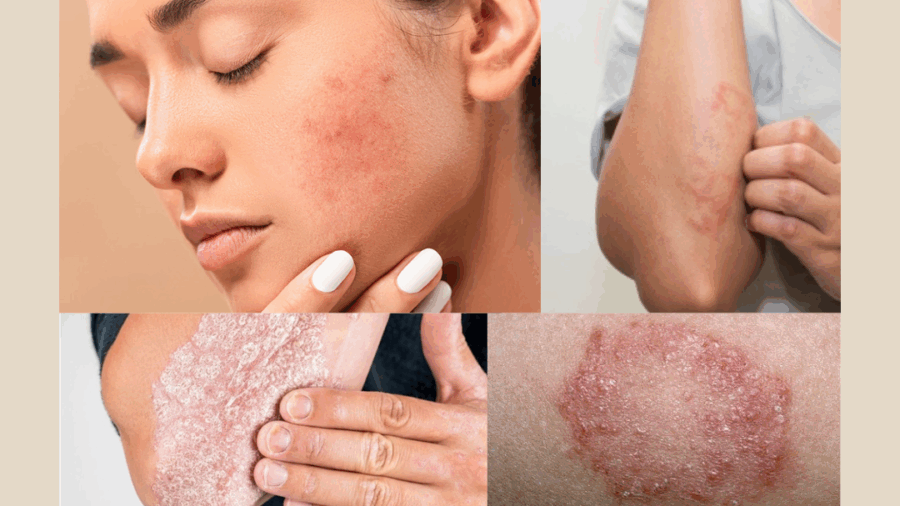
– Pitta imbalance: Often associated with inflammatory skin conditions like acne, rashes, and eczema.

– Kapha imbalance: May lead to oily skin, congestion, and conditions like psoriasis.

– Vata imbalance: Can cause dry, rough, or sensitive skin.

Ayurvedic treatment for skin problems focuses on:

  1. Balancing doshas: Restoring balance to the body’s energies through diet, lifestyle, and herbal remedies.
  2. Detoxification: Removing toxins and impurities from the body through therapies like Panchakarma.
  3. Nourishment: Providing essential nutrients and hydration to promote healthy skin.
  4. Stress management: Practicing techniques like yoga, meditation, and relaxation to reduce stress.
  5. Improved Blood Circulation: Enhances blood flow and nutrient absorption, nourishing skin cells.

Herbal Remedies for Skin Problems

Ayurvedic herbs like:

– Neem: Known for its antibacterial and anti-inflammatory properties.

– Turmeric: Rich in antioxidants and anti-inflammatory compounds.

– Guduchi: Boosts immunity and promotes healthy skin.

Dietary Recommendations

A balanced diet that:

– Avoids trigger foods: Identifies and eliminates foods that exacerbate skin issues.

– Emphasizes cooling foods: Includes foods like cucumber, yogurt, and green leafy vegetables to soothe the skin.

– Includes nourishing foods: Rich in omega-3 fatty acids, vitamins, and minerals.

Lifestyle Modifications

– Stress management: Regular practice of yoga, meditation, and relaxation techniques.

– Good hygiene: Maintaining cleanliness and using natural skincare products.

– Adequate sleep: Ensuring sufficient rest and relaxation.

Panchakarma Therapies for Skin Problems

Abhyanga (Oil Massage): Loosens toxins, improves circulation, and nourishes skin.

Swedana (Herbal Steam Therapy): Opens pores, expelling toxins and promoting detoxification.

Virechana (Purgation Therapy): Eliminates excess Pitta dosha, beneficial for skin diseases and digestive issues.

Basti (Medicated Enema): Balances Vata dosha, nourishing tissues and promoting skin health.

Nasya (Nasal Administration): Removes toxins from the head and neck area, promoting overall skin health.

Skin Conditions Treated with Panchakarma

– Psoriasis: Reduces inflammation, scaling, and itching.

– Eczema: Soothes irritated skin, reducing inflammation and promoting skin health.

– Acne: Targets root causes, regulating hormonal levels and improving digestive functions.

Conclusion

Ayurvedic treatment for skin problems offers a holistic approach that addresses the root cause of issues. By understanding the underlying dosha imbalance and incorporating herbal remedies, dietary changes, lifestyle modifications, and Panchakarma therapy, individuals can achieve healthy, radiant skin. Consult an Ayurvedic practitioner to create a personalized treatment plan.

Recent Posts -

Ayurvedic Abhyanga Massage

Ayurvedic Abhyanga Massage

Ayurvedic Abhyanga Massage -

Understanding Abhyanga Panchkarma Therapy and Its Role in Ayurveda

Abhyanga (massage) Panchkarma therapy is a traditional Ayurvedic practice that has been used for centuries to promote overall health and well-being. This therapy involves the application of warm herbal oils to the body in a specific manner, followed by a series of massage techniques. The benefits of Ayurvedic Abhyanga Massage therapy are numerous, including improved circulation, detoxification, and relaxation. In this blog, we will explore the importance of this ancient therapy in Ayurveda and how it can benefit individuals looking to achieve optimal health and wellness.

Ayurvedic Abhyanga Massage

What is Abhyanga Panchkarma? Definition and Key Components

Abhyanga Panchkarma is a rejuvenating cleansing therapy in Ayurveda that involves the application of warm herbal oils on the body followed by a therapeutic massage. This process aims to remove toxins, promote circulation, and restore the balance of doshas. Abhyanga, the oil massage, nourishes the skin, calms the mind, and enhances overall health. Panchkarma involves a series of detoxification techniques that help eliminate accumulated impurities and revitalize the body’s innate healing abilities. Understanding the essence and components of Abhyanga Panchkarma is crucial to harnessing its full benefits in achieving holistic well-being. Let’s explore the practice of Abhyanga Panchkarma in more detail, its various forms, and its significance in Ayurvedic healing.

The Importance of Ayurvedic Abhyanga Massage Therapy in Modern Wellness

In today’s fast-paced world, the significance of traditional practices like Abhyanga Panchkarma therapy is more profound than ever. In modern wellness, where stress and toxins abound, this ancient Ayurvedic therapy offers a holistic approach to detoxification and rejuvenation. Abhyanga Panchkarma goes beyond mere physical benefits; it nurtures mental clarity, emotional balance, and spiritual well-being. By promoting the elimination of toxins and restoring the body’s natural equilibrium, this therapy enhances vitality and resilience. Embracing the practice of Abhyanga Panchkarma in our wellness routines can lead to a profound transformation, aligning us with the timeless wisdom of Ayurveda for sustained health and vitality.

Benefits of Abhyanga: Physical, Mental, and Emotional Well-being

Abhyanga Panchkarma therapy offers a multitude of benefits that extend beyond purely physical well-being. The regular practice of Abhyanga not only aids in detoxification and rejuvenation but also nourishes mental clarity, emotional balance, and spiritual harmony. Physically, the therapy helps in improving circulation, relieving muscle tension, and enhancing the skin’s health. Mentally, it promotes relaxation, reduces stress, and improves focus. Emotionally, Abhyanga balances the emotions, uplifts the mood, and fosters a sense of inner peace. By embracing Abhyanga Panchkarma in our wellness routines, we invite a holistic approach to overall health and well-being, aligning our bodies, minds, and spirits with the principles of Ayurveda.

Integrating Abhyanga Panchkarma into Your Health Routine

Incorporating Abhyanga Panchkarma into your daily health routine can significantly enhance your overall well-being. To start, set aside time each day for this practice, ideally in the morning before your shower. Choose a warm, high-quality oil best suited for your dosha, and heat it slightly for a more soothing experience. Begin the self-massage with gentle, circular motions on the limbs, moving towards the heart to improve circulation. Pay attention to areas of tension and focus on releasing them with care. Allow the oil to penetrate your skin for at least 15-20 minutes before washing it off. Embrace this self-loving ritual regularly to experience profound physical, mental, and emotional benefits. You can also visit to our clinic named Dr. Narkhede Ayurved & Panchkarma Clinic located at Anandnagar, Ghodbunder road, Thane(w) to take abhyanga therapy by our well-trained therapist.

Conclusion : Embracing Ayurvedic Abhyanga Massage for Optimal Health and Balance

In conclusion, integrating Abhyanga Panchkarma into your health routine can be a transformative practice rooted in Ayurvedic principles. By dedicating time to this self-care ritual daily, you not only nourish your body but also nurture your mind and spirit. The gentle massage motions coupled with the healing properties of warm oils help in detoxifying the body, reducing stress, and promoting a sense of balance. Embrace this ancient therapy as a holistic approach to wellness, prioritizing your overall well-being. Remember, consistency is key in reaping the full benefits of Abhyanga Panchkarma. Make it a sacred part of your daily routine and witness the profound impact it has on your health and vitality.

Recent Posts -

Allergy Treatment P

Ayurvedic treatment for Allergy

Ayurvedic Treatment for Allergy -

Introduction: Understanding Ayurvedic Panchakarma Treatment and Its Role in Managing Allergies

Panchkarma is an integral part of Ayurveda, an ancient Indian holistic healing system that focuses on balancing the body, mind, and spirit. In recent years, more and more people are turning to Ayurvedic treatments like Panchkarma to address their allergy problems. This traditional detoxification therapy not only helps alleviate symptoms like sneezing, itching, and congestion but also strengthens the immune system and promotes overall well-being. To understand the benefits of Panchkarma Ayurvedic treatment for allergies and how it can help you find relief, read on.

The Science Behind Allergies: Causes and Symptoms

Allergies are commonly triggered by airborne particles, food, or other substances that the immune system perceives as harmful invaders. This misconception leads to an immune response that can cause symptoms such as sneezing, itching, swelling, and even breathing difficulties. Understanding the root causes of allergies is crucial in managing and preventing them effectively. In the following section, we will delve into the various causes and symptoms of allergies to provide a comprehensive insight into how Ayurvedic Panchkarma treatment can combat these allergic reactions at their core.

Overview of Panchakarma: The Ayurvedic Detoxification Process

Panchakarma is a renowned Ayurvedic detoxification method that aims to cleanse the body of toxins and restore balance to the doshas – Vata, Pitta, and Kapha. This ancient practice involves a series of therapies tailored to individual needs, including massage, herbal steam therapy, and dietary adjustments. By eliminating accumulated toxins and rejuvenating the body at a cellular level, Panchakarma not only addresses the symptoms but also targets the root cause of allergies. In the upcoming section, we will explore the specific Panchakarma treatments that can help alleviate allergy symptoms and promote long-term wellness.

Types of Panchakarma Therapies Effective for Allergies

Among the various Panchakarma therapies, certain treatments stand out for their effectiveness in addressing allergies. Vamana (therapeutic vomiting) and Nasya (nasal therapy) are two powerful therapies often recommended for allergy sufferers. Vamana helps eliminate excess mucus and toxins from the respiratory system, providing relief from congestion and respiratory issues commonly associated with allergies. Nasya involves administering herbal oils or powders through the nasal passage, targeting nasal congestion, sinusitis, and other respiratory concerns. These therapies, when performed under the guidance of a trained Ayurvedic practitioner, can significantly alleviate allergy symptoms and enhance overall well-being. In the upcoming section, we will explore the intricacies of these therapies and their profound impact on allergy management. Stay tuned for valuable insights into Ayurvedic solutions for allergies.

Conclusion: Embracing Ayurvedic Approaches for Lasting Allergy Relief

In conclusion, choosing Ayurvedic Panchakarma treatment for managing allergies is a wise and holistic approach that delves into the root cause of the issue. By addressing individual imbalances and restoring harmony to the body and mind, Panchakarma’s therapeutic procedures can provide lasting relief from allergic symptoms.

Embrace the rich tradition of Ayurveda and explore the transformative benefits of Panchakarma for alleviating allergies. Stay tuned for more insightful content on Ayurvedic practices and their incredible healing potential.

At our Dr. Narkhede Ayurved & Panchkarm Clinic best ayurvedic treatment for allergy is given according to ones body constitution. Do visit or book an appointment to treat your allergy problems from its root cause.

Recent Posts -

Ayurvedic Treatment

Ayurvedic Treatment

1. Introduction: Understanding the Role of Ayurvedic Treatment in Modern Healthcare Ayurveda is an ancient system of medicine with roots in India that has been practiced for thousands of years. This holistic approach to health and wellness focuses on balancing the mind, body, and spirit to achieve optimal health. Ayurvedic treatments often involve a combination […]