Uncategorized

ayurvedic treatment for arthritis, Hiranandani

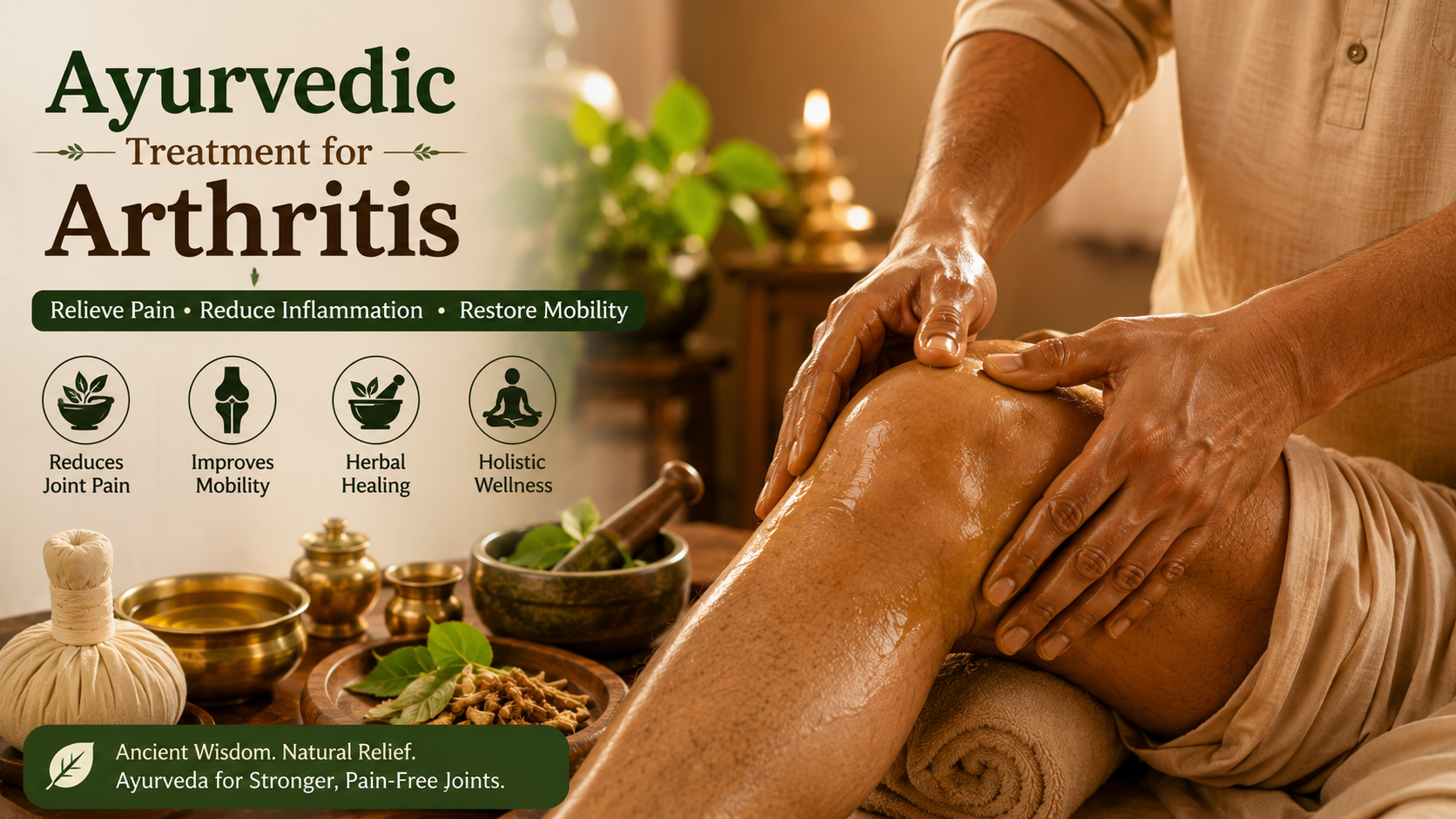
Ayurvedic Treatment for Arthritis: Natural Relief from Joint Pain

Arthritis, known in Ayurveda as Sandhivata, is one of the most common joint disorders affecting millions of people worldwide. It occurs when aggravated Vata dosha dries out the synovial fluid that lubricates the joints, leading to pain, stiffness, swelling, and reduced mobility — most often in the knees, fingers, hips, and spine. While modern medicine typically manages arthritis with long-term anti-inflammatory drugs and painkillers, Ayurveda offers a time-tested, holistic alternative that addresses the root cause rather than just the symptoms.

Understanding Arthritis Through the Ayurvedic Lens

In Ayurveda, every joint disorder is examined through the lens of the three doshas — Vata, Pitta, and Kapha. Sandhivata is primarily a Vata-dominant condition. Vata governs all movement in the body, including the motion of joints, and when it becomes aggravated, it draws moisture out of the tissues it passes through. This is why arthritic joints often feel dry, stiff, and rough, rather than warm and swollen as seen in inflammatory conditions dominated by Pitta.

Because Vata is inherently light, dry, cold, and mobile, an imbalance manifests exactly as these qualities suggest: dryness in the joint capsule, coldness that makes symptoms worse in winter, and instability that shows up as cracking or grinding sounds during movement.

Causes and Symptoms

Ayurveda attributes the development of arthritis to a combination of internal and external factors:

  1. Poor digestion (Agnimandya): When the digestive fire is weak, food is not properly metabolized, leading to the formation of Ama — a sticky, toxic byproduct that circulates through the body and settles in weak or vulnerable joints.
  2. Accumulation of toxins (Ama): Ama combines with aggravated Vata to clog the channels (srotas) that nourish joint tissue, worsening stiffness and pain over time.
  3. Sedentary lifestyle: Lack of movement reduces circulation to the joints and allows Vata to stagnate, accelerating degeneration.
  4. Cold and dry weather: Since Vata shares these same qualities, cold climates and dry seasons are known to intensify arthritic symptoms.
  5. Irregular eating habits: Skipping meals, eating at inconsistent times, and consuming excessive cold or raw food all disturb Agni and aggravate Vata simultaneously.

The resulting symptoms are easy to recognize: cracking or popping sounds in the joints, stiffness that is most pronounced in the morning or after periods of rest, visible swelling around the affected joint, and pain that intensifies with movement, cold exposure, or damp weather.

Ayurvedic Treatment Approach

The Ayurvedic management of arthritis follows three simultaneous goals: pacifying aggravated Vata, restoring digestive strength so that Ama is no longer produced, and nourishing the depleted joint tissues.

A range of classical herbs are used to achieve this:

  1. Guggulu – One of the most celebrated herbs in Ayurvedic joint care, Guggulu is renowned for its ability to reduce swelling, ease pain, and improve joint mobility. Its resin has natural anti-inflammatory and lipid-clearing properties that support long-term joint health.
  2. Shallaki (Boswellia serrata) – Widely researched for its cartilage-protective and anti-inflammatory effects, Shallaki helps slow joint degeneration and reduce pain intensity.
  3. Rasna – A traditional analgesic herb specifically indicated for Vata-related joint and muscular pain.
  4. Ashwagandha – An adaptogen that strengthens tissue, reduces stress-related inflammation, and supports overall vitality, which is especially valuable for patients dealing with the fatigue that often accompanies chronic arthritis.
  5. Nirgundi – Known for its anti-inflammatory and analgesic action, Nirgundi is commonly used both internally and as an external oil for direct joint application.

These herbs are typically prescribed in combination, tailored to the individual’s constitution and the severity of their condition, rather than as a one-size-fits-all formula.

The Role of Panchakarma in Arthritis Management

Panchakarma therapies form the true cornerstone of Ayurvedic arthritis treatment, offering benefits that herbal medicine alone cannot achieve.

Abhyanga, a full-body warm oil massage using medicated Vata-pacifying oils, is typically the first step. The warmth and steady pressure improve circulation, soften stiff tissue, and begin drawing out accumulated toxins from the joints.

Swedana, herbal steam therapy, is performed immediately after Abhyanga. The combination of oil and heat works synergistically — the oil lubricates and nourishes while the steam opens the channels, allowing deeper penetration of therapeutic compounds and further loosening stiff, restricted joints.

Basti, or medicated enema therapy, is considered the single most effective Panchakarma treatment for Vata disorders, including arthritis. Since the colon is regarded in Ayurveda as the primary seat of Vata, administering herbal oils and decoctions through Basti corrects the dosha imbalance at its source, nourishing depleted tissues from within rather than only treating the joints locally.

For arthritis affecting the knees specifically, Janu Basti is an invaluable localized therapy. A ring of dough is built around the knee joint and filled with warm medicated oil, which is retained for 30–45 minutes. This allows concentrated, deep absorption of therapeutic oil directly into the joint capsule — something a general massage cannot replicate.

Diet and Lifestyle for Long-Term Relief

Diet plays a central role in preventing the recurrence of Ama and supporting joint nourishment. Warm, freshly cooked, easily digestible meals are strongly preferred over cold, raw, or heavily processed foods, which tend to weaken digestion and aggravate Vata. Ginger, turmeric, and garlic should be included in the daily diet — each offers natural anti-inflammatory action while also kindling digestive fire.

Alongside dietary correction, gentle yoga and joint mobility exercises help maintain flexibility without overstraining fragile joints, while adequate rest allows the body’s natural repair processes to function optimally. Avoiding excessive cold exposure, particularly to the affected joints, is equally important, especially during colder months when Vata aggravation peaks.

Conclusion

Arthritis does not have to mean a lifetime of dependence on painkillers and their associated side effects. With consistent Panchakarma therapy, targeted herbal medicine, and disciplined diet and lifestyle correction, Ayurveda offers a genuinely sustainable path to reducing joint pain, restoring mobility, and improving overall quality of life. As with any chronic condition, treatment works best when personalized — consulting a qualified Ayurvedic practitioner ensures the right combination of therapies for your specific constitution and stage of arthritis.

This article is for informational purposes only. Please consult a qualified Ayurvedic practitioner before starting any new treatment, particularly if you have an autoimmune form of arthritis or other underlying health conditions.

Chaitali

Share
Published by
Chaitali

Recent Posts

Ayurvedic Treatment for Hair Fall

Ayurvedic Treatment for Hair Fall: Understanding Khalitya and How Panchakarma Restores Hair Health At my…

5 days ago

ayurvedic treatment for obesity Anandnagar

Ayurvedic Treatment for Obesity: A Natural, Root-Cause Approach to Lasting Weight Loss Obesity has quietly…

1 week ago

ayurvedic remedies for constipation

Ayurvedic Remedies for Constipation: Natural Relief for Vibandha Constipation is one of the most common…

2 weeks ago

ayurvedic treatment for acne, Kasarvadavali

Ayurvedic Treatment for Acne: Healing Skin From the Root Acne is one of the most…

2 weeks ago

Ayurvedic Treatment for Acidity, Anandnagar

Ayurvedic Treatment for Acidity: A Natural Way to Heal Amlapitta from the Root If you've…

2 weeks ago

Ayurvedic tips for healthy Lifestyle

Ayurvedic tips for healthy lifestyle Ancient Wisdom for Modern Living: Ayurvedic Tips for a Healthy…
1 month ago