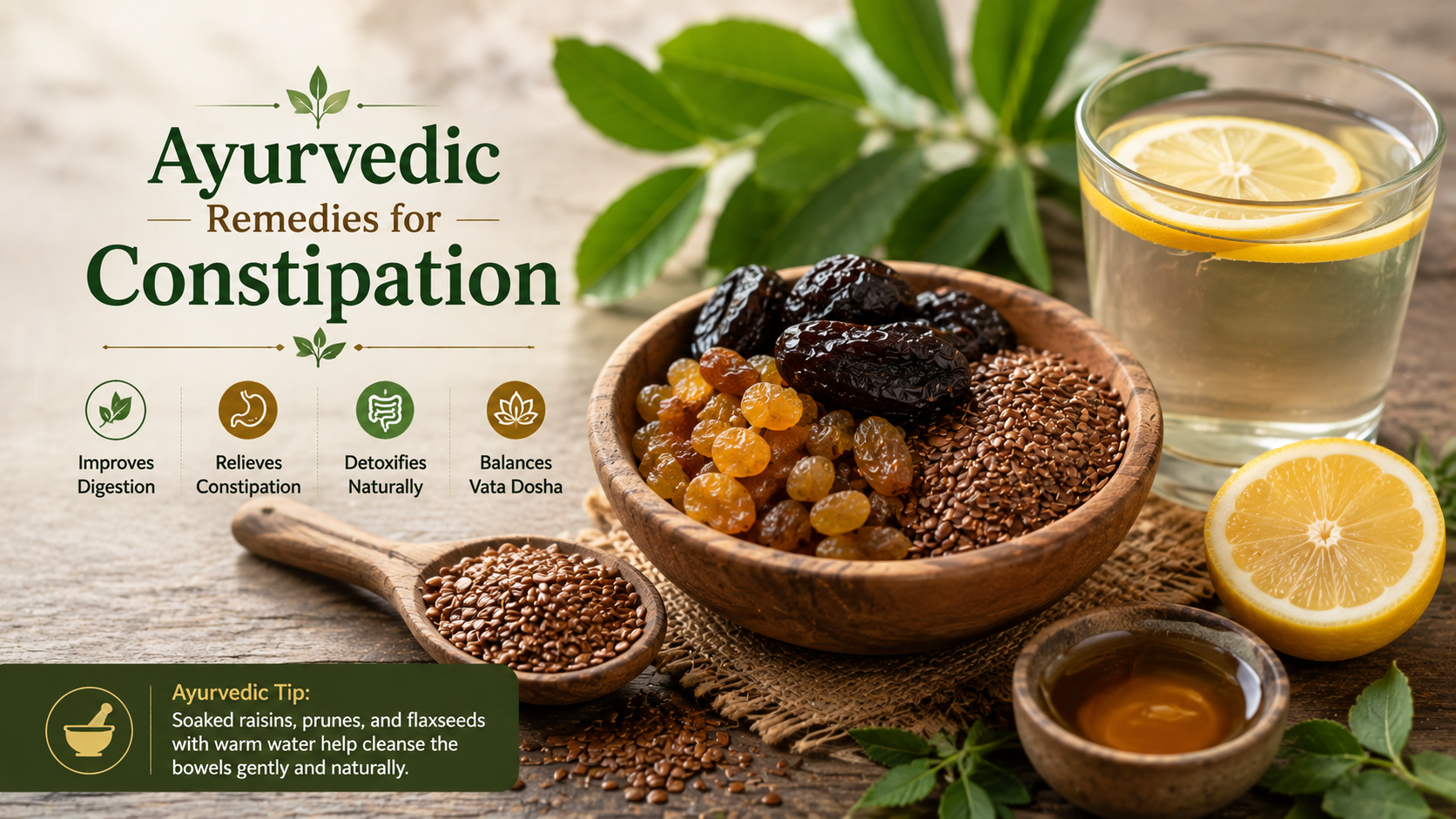
Constipation is one of the most common digestive complaints and can cause significant discomfort in daily life. Hard stools, infrequent bowel movements, straining, abdominal heaviness, and a feeling of incomplete evacuation are common symptoms.
In Ayurveda, constipation is known as Vibandha. It is commonly associated with an aggravation of Vata Dosha, which can cause dryness in the intestines and disturb the natural movement of Apana Vata—the force responsible for the downward elimination of waste.
Ayurvedic treatment for constipation focuses on improving digestive balance, supporting regular bowel movements, reducing dryness, and addressing the underlying lifestyle and dietary factors. When used appropriately, Ayurvedic remedies for constipation can offer a gentle and holistic approach to improving digestive health.
According to Ayurveda, healthy elimination depends on balanced Vata and proper digestive function. When Vata becomes aggravated, the intestines may become dry, and the natural movement of stool can slow down.
Several modern lifestyle habits can contribute to this imbalance.
Low-Fiber Diet
A diet low in fruits, vegetables, whole grains, and other fiber-rich foods can contribute to hard stools and slower bowel movement.
Dehydration
Not drinking enough fluids can make stools dry and difficult to pass. Ayurveda often recommends choosing warm or room-temperature fluids according to individual needs, especially for people with a tendency toward Vata imbalance.
Irregular Sleep & Daily Routine
Late nights, inadequate sleep, and an inconsistent daily schedule may disturb the body’s natural rhythm and digestive processes.
Excessive Dry or Cold Foods
Frequent consumption of dry, packaged, processed, or very cold foods may aggravate Vata in susceptible individuals and contribute to dryness in the digestive tract.
Stress and Anxiety
The connection between the mind and the digestive system is important. Chronic stress and anxiety can affect bowel habits and may worsen constipation in some people.
1. Triphala
Triphala is one of the best-known classical Ayurvedic formulations for supporting healthy digestion and regular bowel movements. It is traditionally prepared from three fruits:
Triphala is often used to support gentle elimination and overall digestive health.
A commonly used traditional approach is to take approximately 1 teaspoon with warm water before bedtime, but the appropriate dose can vary depending on age, digestive strength, body type, medical conditions, and the specific product.
For regular or long-term use, it is best to consult a qualified Ayurvedic practitioner.
2. Castor Oil
Castor oil has traditionally been used as a strong natural purgative or laxative. It may stimulate bowel movements and is generally more suitable for occasional use under professional guidance.
Some traditional practices recommend a small amount at night, but castor oil should not be used routinely or without medical advice. It can cause abdominal cramping, diarrhoea, and dehydration in some individuals.
Pregnant women, children, elderly individuals, and people with certain medical conditions should not use castor oil without advice from a qualified healthcare professional.
3. Ghee with Warm Milk
For constipation associated with dryness and Vata imbalance, ghee with warm milk is a traditional Ayurvedic remedy.
Ghee is traditionally believed to help provide unctuousness or lubrication, while warm milk may support smoother bowel movement in people who tolerate dairy well.
This remedy may not be suitable for everyone, particularly individuals with lactose intolerance, milk allergy, or specific digestive concerns.
4. Warm Water with Lemon
Starting the morning with warm water can be a simple way to support hydration and establish a regular morning routine. Adding a small amount of lemon is commonly used as a refreshing digestive habit.
For some people, this may help encourage a bowel movement as part of an overall healthy routine. However, people with acidity, reflux, or sensitivity to citrus should use lemon according to their individual tolerance.
Diet plays an important role in preventing recurrent constipation. Ayurveda generally emphasizes freshly prepared, nourishing foods that are suitable for an individual’s digestive capacity and body constitution.
Include Fiber-Rich Fruits
Fruits can help increase dietary fiber and support healthy bowel movements. Good options may include:
Soaked figs or raisins are also traditionally included in some dietary routines for supporting regular elimination.
Drink Adequate Fluids
Proper hydration is essential for maintaining softer stools. Drink adequate water throughout the day according to your body’s needs.
For people who prefer Ayurveda-based routines, warm water may be more comfortable than excessive intake of ice-cold beverages, particularly when Vata symptoms are prominent.
Include Healthy Fats
Appropriate amounts of healthy fats, including ghee where suitable, may help reduce excessive dryness in the diet.
Choose Freshly Prepared Foods
Freshly cooked meals with vegetables, whole grains, soups, and suitable sources of fiber can support healthy digestion.
If you frequently experience constipation, try to reduce:
The right dietary approach can vary from person to person. A personalized Ayurvedic consultation can help identify foods that may be contributing to your digestive symptoms.
Stay Physically Active
Regular walking and physical activity can support normal bowel function. Even a simple daily walk can be beneficial as part of a healthy lifestyle.
Follow a Regular Toilet Routine
Try to give yourself enough time for bowel movements each day. Avoid repeatedly ignoring the natural urge to pass stool.
Establishing a consistent morning routine may help support regularity over time.
Avoid Excessive Straining
Do not force or excessively strain during a bowel movement. If constipation is frequent, focus on identifying and addressing the underlying cause.
Manage Stress
Stress can affect digestive and bowel function. Yoga, meditation, breathing exercises, adequate sleep, and regular relaxation may help support overall digestive wellness.
Maintain Regular Sleep
A consistent sleep schedule supports the body’s natural rhythms. Late nights and irregular sleep patterns may negatively affect digestion and elimination.
Occasional constipation may improve with dietary changes and simple lifestyle measures. However, recurrent constipation requires a more individualized approach.
At Dr. Narkhede Ayurved & Panchkarma Clinic, Ayurvedic management focuses on understanding the person’s:
Depending on the individual assessment, an Ayurvedic practitioner may recommend personalized dietary guidance, suitable herbal formulations, lifestyle modifications, and other appropriate therapies.
The goal is not simply to force a bowel movement but to support healthier digestion and regular elimination while addressing contributing factors.
Constipation, or Vibandha, is often linked in Ayurveda to aggravated Vata, dryness, disturbed daily routines, and weakened digestive balance. A holistic approach that includes proper hydration, fiber-rich foods, regular physical activity, stress management, and suitable Ayurvedic remedies may help support healthier bowel movements.
Traditional options such as Triphala, ghee with warm milk, and warm water can be useful for some individuals when used appropriately. However, the best treatment depends on the cause and the individual.
If constipation is frequent or persistent, a personalized consultation is important to understand the root cause and choose a safe and suitable treatment plan.
Ayurvedic Treatment for Acne: Healing Skin From the Root Acne is one of the most…
Ayurvedic Treatment for Acidity: A Natural Way to Heal Amlapitta from the Root If you've…
Ayurvedic tips for healthy lifestyle Ancient Wisdom for Modern Living: Ayurvedic Tips for a Healthy…
Introduction: Understanding the Principles of Panchkarma treatment in Ayurveda Panchkarma treatment is a renowned therapeutic…
Infertility treatment in Ayurveda Introduction: Understanding Infertility in Ayurveda Infertility is a complex and deeply…
1. Introduction: The Significance of Rainy Season and Basti Panchkarma Treatment in Ayurveda The rainy…